Most serious health conditions don’t develop overnight. In many cases, diseases such as heart disease, high blood pressure, diabetes, certain cancers, and high cholesterol begin silently, often without noticeable symptoms. By the time symptoms appear, the condition may already be advanced.
This is why preventive health screenings are one of the most important tools in modern medicine.
If you’ve recently searched for “preventive health screenings near me,“ you’re already taking a proactive step toward protecting your long-term health. Preventive screenings help identify risk factors, detect diseases early, and provide an opportunity to intervene before serious complications occur.
At BeninMed in Boca Raton, Florida, we believe that prevention is the foundation of excellent healthcare. Through evidence-based primary care, cardiac risk assessment, and personalized wellness planning, we help patients stay ahead of potential health concerns and make informed decisions about their future health.
In this comprehensive guide, we’ll explain what preventive health screenings are, why they matter, what tests you may need, and how regular screenings can help you live a healthier, longer life.
What Are Preventive Health Screenings?
Unlike diagnostic testing, which investigates existing symptoms, preventive screenings are performed when you feel healthy.
Their purpose is to:
- Detect disease early
- Identify risk factors
- Monitor changes in health
- Reduce long-term complications
- Improve treatment outcomes
The earlier a condition is discovered, the easier it is often to treat.
Why Preventive Screenings Matter
Many of the leading causes of death in the United States are preventable or manageable when detected early.
Examples include:
- Heart disease
- Stroke
- Diabetes
- Certain cancers
- Kidney disease
Unfortunately, many patients skip routine screenings because they feel healthy.
The reality is that many serious conditions remain symptom-free for years.
Preventive screenings allow physicians to uncover hidden health concerns before they become major problems.
The Hidden Danger of Silent Conditions
Some of the most dangerous medical conditions are also the quietest.
High Blood Pressure
Often called the “silent killer,” high blood pressure may cause no symptoms while damaging the:
- Heart
- Brain
- Kidneys
- Blood vessels
High Cholesterol
Elevated cholesterol levels can contribute to plaque buildup inside arteries without causing noticeable symptoms.
Prediabetes
Millions of Americans have prediabetes and don’t realize it.
Without intervention, many will eventually develop Type 2 diabetes.
Preventive screenings help identify these issues before they lead to complications.
The Benefits of Preventive Health Screenings
Routine screenings provide numerous benefits.
Early Detection
Early diagnosis often leads to:
- Simpler treatment
- Better outcomes
- Lower healthcare costs
Reduced Risk of Serious Illness
Identifying risk factors allows physicians to intervene before disease progresses.
Personalized Healthcare Planning
Screening results help create individualized treatment and prevention strategies.
Peace of Mind
Knowing your health status can reduce uncertainty and provide reassurance.
Common Preventive Screenings for Adults
The specific screenings you need depend on your age, health history, family history, and risk factors.
However, several preventive screenings are commonly recommended.
Blood Pressure Screening
Blood pressure should be checked regularly.
High blood pressure significantly increases the risk of:
- Heart attack
- Stroke
- Heart failure
- Kidney disease
Routine monitoring allows physicians to identify elevated readings early.
Cholesterol Screening
A lipid panel measures:
- Total cholesterol
- LDL cholesterol
- HDL cholesterol
- Triglycerides
High cholesterol is one of the most significant risk factors for cardiovascular disease.
Routine cholesterol screening plays a critical role in preventive cardiac care.
Blood Sugar and Diabetes Screening
Blood glucose testing can identify:
- Prediabetes
- Type 2 diabetes
- Insulin resistance
Early detection often allows patients to reverse or manage the condition before complications develop.
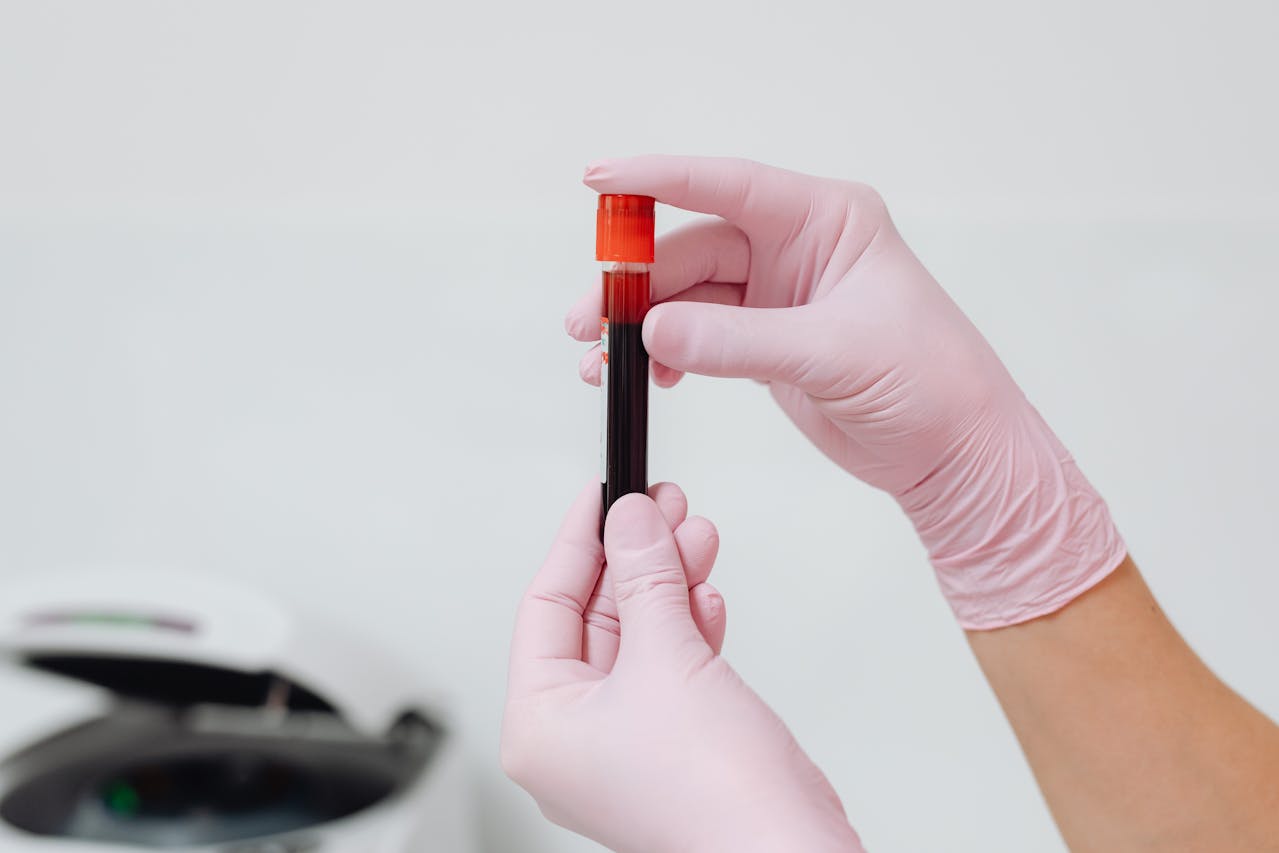
Comprehensive Blood Work
Routine laboratory testing may include:
- Complete blood count (CBC)
- Comprehensive metabolic panel (CMP)
- Kidney function assessment
- Liver function assessment
These tests provide valuable information about overall health.
Weight and Body Mass Index (BMI)
Weight management plays a major role in preventing:
- Heart disease
- Diabetes
- Hypertension
- Sleep apnea
Monitoring weight trends can help identify health risks early.
Heart Health Screenings
Cardiovascular disease remains one of the leading causes of death in the United States.
Preventive cardiac screenings may include:
- Blood pressure checks
- Cholesterol testing
- Cardiac risk assessments
- Electrocardiograms (when appropriate)
At BeninMed, cardiac-focused primary care is an important component of preventive health.
Cancer Screenings
Cancer screenings vary depending on age and risk factors.
Examples include:
Colon Cancer Screening
Routine colon cancer screening can detect precancerous polyps before cancer develops.
Breast Cancer Screening
Mammograms help detect breast cancer at earlier, more treatable stages.
Cervical Cancer Screening
Pap tests help identify abnormal cervical cells before they become cancerous.
Prostate Cancer Screening
Men may benefit from prostate screening based on age and risk factors.
Thyroid Screening
The thyroid gland affects:
- Energy levels
- Weight
- Mood
- Metabolism
Thyroid disorders are common and often detected through blood testing.
Vitamin Deficiency Screening
Many adults have deficiencies in:
- Vitamin D
- Vitamin B12
- Iron
These deficiencies can contribute to fatigue, weakness, and other health concerns.
Screenings Based on Family History
Family history plays an important role in determining screening needs.
You may require earlier or more frequent testing if close relatives have experienced:
- Heart disease
- Diabetes
- Cancer
- Stroke
- High cholesterol
At BeninMed, we use family history to personalize preventive care recommendations.
How Often Should You Get Preventive Screenings?
There is no one-size-fits-all answer.
The frequency of screenings depends on:
- Age
- Medical history
- Family history
- Current health status
Many healthy adults benefit from annual wellness visits that include routine preventive testing.
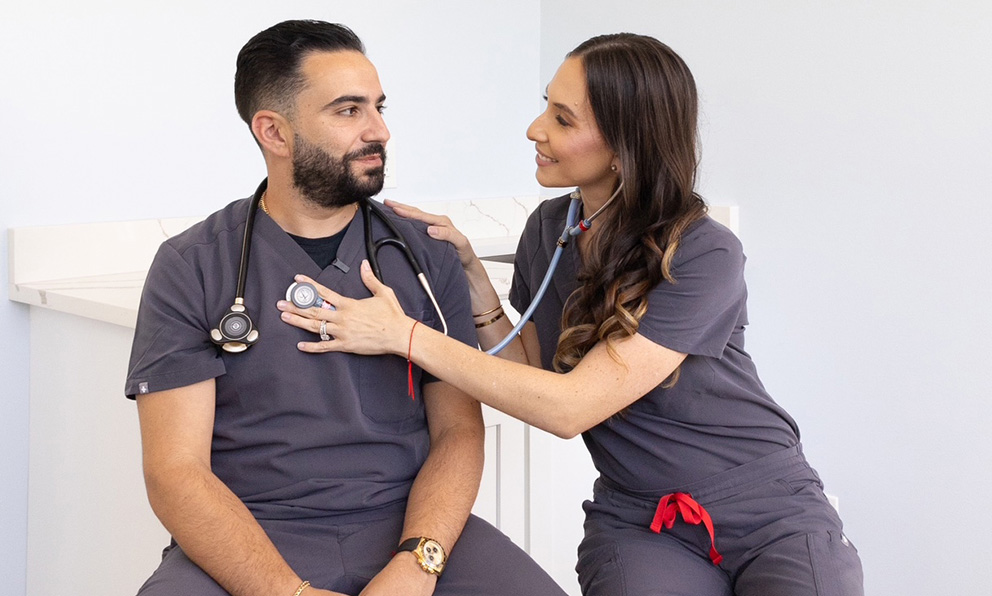
What Happens During a Preventive Health Screening Visit?
A preventive health appointment may include:
- Review of medical history
- Family history assessment
- Vital signs evaluation
- Blood pressure measurement
- Laboratory testing
- Lifestyle discussion
The goal is to identify risks and develop a personalized plan to maintain optimal health.
Preventive Care and Chronic Disease Prevention
Preventive screenings play a crucial role in reducing the risk of chronic disease.
Conditions that may be prevented or better managed through early detection include:
- Hypertension
- Diabetes
- High cholesterol
- Heart disease
- Kidney disease
The earlier these conditions are identified, the more treatment options are available.
The Cost of Skipping Preventive Screenings
Many people delay preventive care because they feel healthy.
Unfortunately, waiting often results in:
- Delayed diagnosis
- More advanced disease
- More expensive treatment
- Increased health risks
Preventive care is almost always less costly and more effective than treating advanced illness.
Why Personalized Preventive Care Matters
Every patient has unique healthcare needs.
Factors that influence screening recommendations include:
- Age
- Gender
- Family history
- Lifestyle habits
- Existing health conditions
At BeninMed, we create personalized screening plans based on each patient’s specific risk profile.
Concierge Medicine and Preventive Care
One of the biggest advantages of concierge medicine is the ability to focus more heavily on prevention.
Benefits may include:
- Longer appointments
- Enhanced physician access
- Comprehensive wellness planning
- More personalized screening recommendations
This proactive approach can help patients stay healthier and avoid future complications.
Why Boca Raton Residents Choose BeninMed
Patients throughout Boca Raton choose BeninMed because we combine:
- Evidence-based medicine
- Preventive health expertise
- Cardiac-focused primary care
- Personalized treatment plans
- Concierge and traditional care options
We believe prevention is one of the most powerful investments you can make in your future health.
How BeninMed Approaches Preventive Health
Our preventive care philosophy focuses on:
Early Detection
Identifying risks before symptoms develop.
Personalized Recommendations
Creating customized plans based on your individual health profile.
Evidence-Based Medicine
Providing recommendations supported by science and clinical research.
Long-Term Health Optimization
Helping patients improve not only lifespan, but healthspan.
Signs You Should Schedule a Preventive Health Screening
You should consider scheduling a preventive screening if:
- It’s been more than a year since your last physical
- You have a family history of chronic disease
- You have risk factors such as obesity or smoking
- You have elevated blood pressure or cholesterol
- You simply want a clearer picture of your health
You don’t need symptoms to benefit from preventive care.
Final Thoughts
Preventive health screenings are one of the most effective ways to protect your long-term health.
Many serious conditions can be detected and managed before symptoms appear, reducing the risk of complications and improving quality of life.
Whether you’re focused on heart health, diabetes prevention, cancer screening, or overall wellness, routine preventive care provides the information needed to make proactive health decisions.
At BeninMed in Boca Raton, Florida, we are committed to helping patients stay healthy through personalized, evidence-based preventive care.
Schedule Your Preventive Health Screening Today
If you’re searching for preventive health screenings near you, BeninMed is here to help.
Contact our office today to schedule a comprehensive preventive health evaluation and take the next step toward a healthier future.