High cholesterol is one of the most common health conditions in the United States, yet it is also one of the most misunderstood. Because high cholesterol typically causes no symptoms, many people assume it is not a serious concern. In reality, untreated high cholesterol can quietly damage your blood vessels for years before leading to potentially life-threatening complications.
Many patients are surprised to learn they can feel completely healthy while significant plaque buildup is occurring inside their arteries. This is why high cholesterol is often referred to as a “silent” condition. The consequences may not become apparent until a person experiences a heart attack, stroke, or another cardiovascular event.
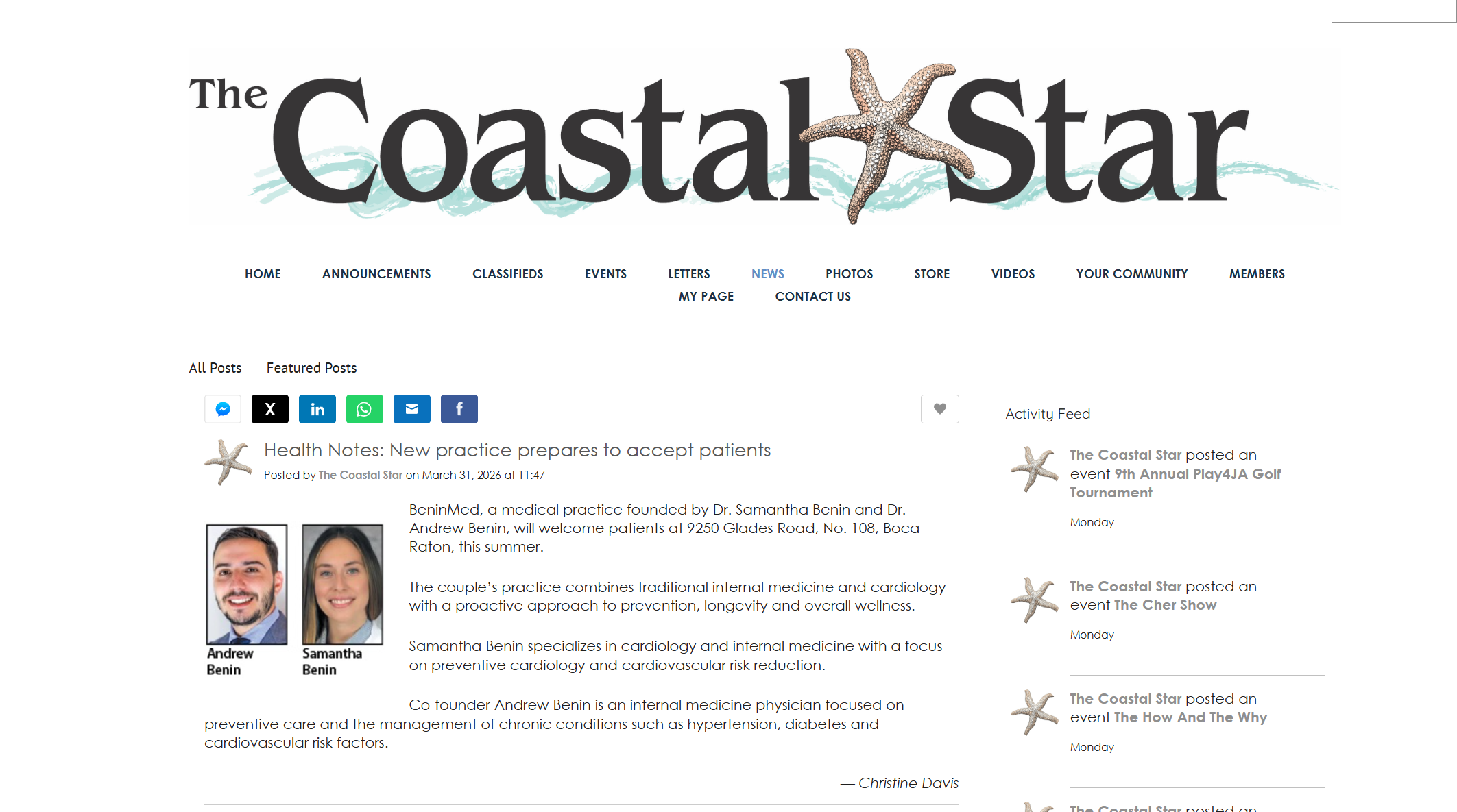
At BeninMed in Boca Raton, Florida, we believe that understanding your cholesterol levels is one of the most important steps you can take to protect your long-term health. Through evidence-based primary and cardiac care, we help patients identify risk factors early, develop personalized treatment plans, and prevent serious cardiovascular complications.
In this comprehensive guide, we’ll explore what happens when high cholesterol goes untreated, the risks it creates throughout the body, and what you can do to protect your heart and overall health.
Understanding Cholesterol
Before discussing the consequences of untreated cholesterol, it is important to understand what cholesterol actually is.
Cholesterol is a waxy, fat-like substance found in every cell of your body. Your body uses cholesterol to:
- Build healthy cells
- Produce hormones
- Create vitamin D
- Support digestion
While cholesterol is essential, problems occur when cholesterol levels become too high.
Types of Cholesterol
There are several important cholesterol measurements.
LDL Cholesterol
Low-density lipoprotein (LDL) is commonly called “bad cholesterol.”
High LDL levels contribute to plaque buildup inside arteries.
HDL Cholesterol
High-density lipoprotein (HDL) is known as “good cholesterol.”
HDL helps remove excess cholesterol from the bloodstream.
Triglycerides
Triglycerides are another type of fat found in the blood.
Elevated triglycerides can further increase cardiovascular risk.
Why High Cholesterol Is Dangerous
The biggest danger of high cholesterol is that it usually causes no symptoms.
You cannot feel cholesterol building up in your arteries.
You cannot see plaque developing.
You cannot detect narrowing blood vessels without medical testing.
As a result, many people delay treatment because they feel healthy.
Unfortunately, damage may be occurring silently for years.
What Happens Inside Your Arteries?
When LDL cholesterol remains elevated, it begins accumulating within the walls of arteries.
Over time, these deposits form plaque.
This process is called atherosclerosis.
As plaque grows:
- Arteries become narrower
- Blood flow becomes restricted
- Blood vessels lose flexibility
- The heart must work harder
The longer high cholesterol remains untreated, the more extensive this damage becomes.
Increased Risk of Heart Disease
One of the most significant consequences of untreated high cholesterol is coronary artery disease.
Coronary arteries supply oxygen-rich blood to the heart muscle.
When plaque narrows these arteries:
- Blood flow decreases
- Oxygen delivery becomes limited
- Heart function may be compromised
Coronary artery disease is one of the leading causes of death worldwide.
Many patients do not realize they have coronary artery disease until symptoms become severe.
Heart Attack Risk Increases Dramatically
Perhaps the most feared consequence of untreated cholesterol is a heart attack.
Heart attacks occur when blood flow to part of the heart becomes blocked.
This often happens when plaque ruptures.
When plaque ruptures:
- A blood clot forms
- Blood flow is interrupted
- Heart tissue begins to die
Heart attacks can result in:
- Permanent heart damage
- Heart failure
- Disability
- Death
Many heart attacks are directly linked to long-term uncontrolled cholesterol levels.
Increased Stroke Risk
The effects of untreated cholesterol are not limited to the heart.
High cholesterol can also affect blood vessels supplying the brain.
When arteries in the neck or brain become narrowed or blocked, a stroke can occur.
Stroke symptoms may include:
- Sudden weakness
- Difficulty speaking
- Facial drooping
- Vision problems
- Loss of balance
Strokes can cause permanent neurological damage and significantly impact quality of life.
Peripheral Artery Disease
High cholesterol can also affect circulation in the arms and legs.
This condition is called peripheral artery disease (PAD).
PAD develops when plaque restricts blood flow to the extremities.
Symptoms may include:
- Leg pain while walking
- Cramping
- Weakness
- Slow-healing wounds
Severe PAD can lead to tissue damage and increase the risk of amputation.
High Cholesterol and High Blood Pressure
High cholesterol and high blood pressure often occur together.
As plaque narrows arteries:
- Blood flow becomes restricted
- Resistance increases
- Blood pressure rises
This creates additional strain on the heart and blood vessels.
Together, these conditions significantly increase cardiovascular risk.
Damage to the Heart Muscle
Over time, untreated cholesterol can weaken the heart.
Reduced blood flow may cause:
- Chest pain
- Shortness of breath
- Fatigue
- Reduced exercise tolerance
The heart may struggle to pump efficiently, increasing the risk of heart failure.
Heart Failure Risk
Heart failure occurs when the heart cannot effectively pump blood throughout the body.
High cholesterol contributes to heart failure by:
- Damaging coronary arteries
- Increasing blood pressure
- Reducing oxygen delivery
Heart failure can cause:
- Fatigue
- Swelling
- Breathing difficulties
- Reduced quality of life
Early cholesterol management can significantly reduce this risk.
Effects on Kidney Health
Many people do not realize that untreated cholesterol can affect kidney function.
Reduced blood flow caused by narrowed arteries may damage the kidneys over time.
Kidney complications can lead to:
- High blood pressure
- Fluid retention
- Progressive kidney disease
Protecting cardiovascular health also helps protect kidney function.
Increased Risk of Erectile Dysfunction
For men, untreated cholesterol may contribute to erectile dysfunction.
Healthy blood flow is essential for normal sexual function.
When arteries become narrowed, circulation may be impaired.
In some cases, erectile dysfunction may actually be an early warning sign of cardiovascular disease.
Cognitive Health Concerns
Research continues to explore the relationship between cardiovascular health and cognitive function.
Poor circulation caused by vascular disease may affect brain health over time.
Protecting your blood vessels may also help support long-term cognitive wellness.
Why You May Not Know You Have High Cholesterol
One of the most dangerous aspects of cholesterol is the lack of symptoms.
Many people discover they have high cholesterol only after:
- Routine blood work
- A heart attack
- A stroke
- Evaluation for another condition
This is why preventive screening is so important.
Risk Factors for High Cholesterol
Several factors increase the likelihood of developing high cholesterol.
Family History
Genetics play a significant role.
Some individuals inherit conditions that cause elevated cholesterol levels.
Diet
Diets high in:
- Saturated fats
- Trans fats
- Processed foods
Can contribute to elevated cholesterol.
Lack of Exercise
Physical inactivity can negatively affect cholesterol levels.
Obesity
Excess body weight often contributes to cholesterol abnormalities.
Smoking
Smoking damages blood vessels and worsens cardiovascular risk.
Diabetes
Diabetes often coexists with cholesterol disorders.
How Is High Cholesterol Diagnosed?
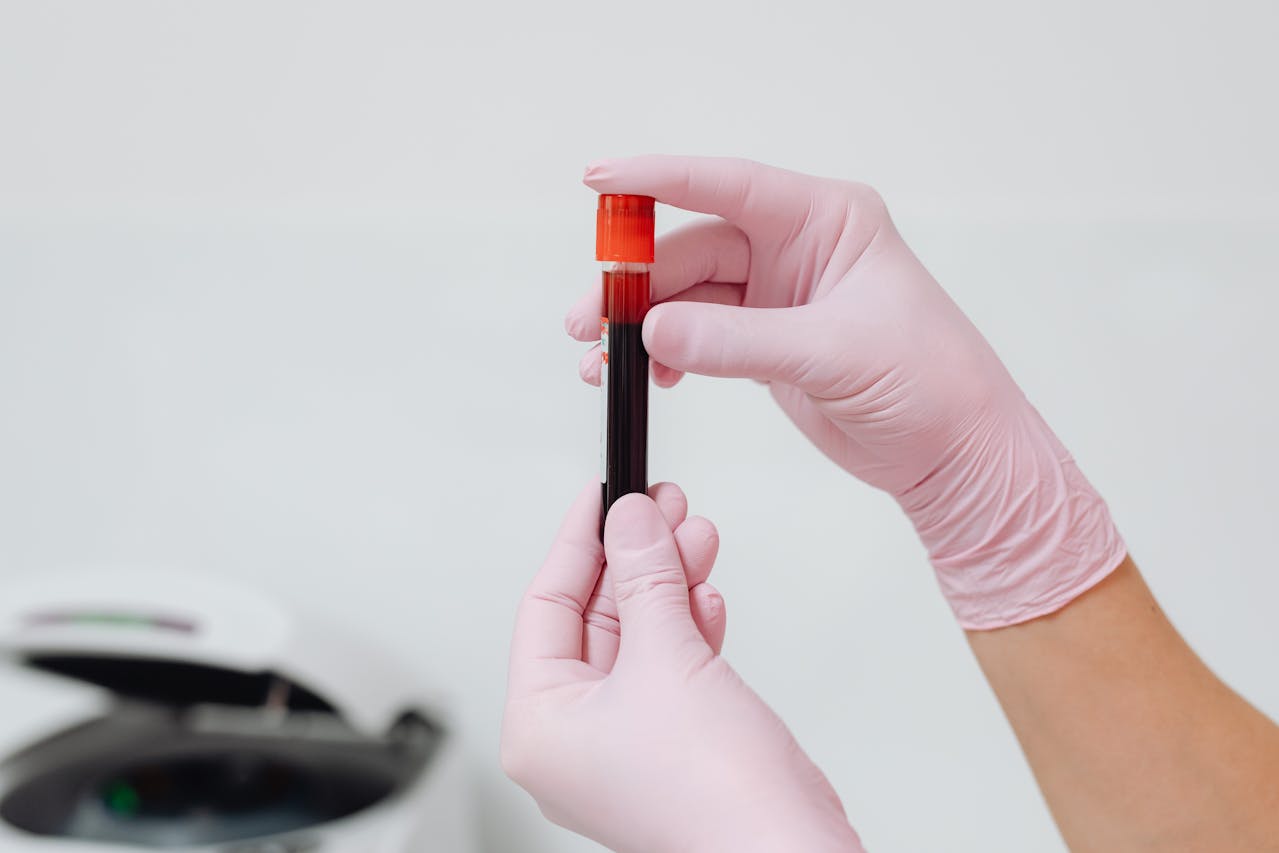
High cholesterol is diagnosed through a simple blood test called a lipid panel.
This test measures:
- Total cholesterol
- LDL cholesterol
- HDL cholesterol
- Triglycerides
Routine blood work is one of the most effective ways to identify cholesterol problems early.
Can High Cholesterol Be Reversed?
In many cases, cholesterol levels can be improved significantly.
Treatment may include:
Lifestyle Changes
Healthy lifestyle modifications are often the first step.
These include:
- Heart-healthy eating
- Regular exercise
- Weight management
- Smoking cessation
Medication
For some patients, lifestyle changes alone may not be enough.
Medications such as statins can help reduce cholesterol levels and lower cardiovascular risk.
At BeninMed, treatment recommendations are personalized based on each patient’s health profile and risk factors.
The Importance of Regular Monitoring
Cholesterol management is not a one-time event.
Ongoing monitoring helps:
- Track progress
- Adjust treatment plans
- Reduce long-term risk
Routine blood work allows physicians to identify trends and intervene before complications develop.
How BeninMed Helps Patients Manage Cholesterol
At BeninMed, we take a proactive and personalized approach to cardiovascular health.
Our care includes:
- Comprehensive health evaluations
- Cholesterol screening
- Cardiac risk assessment
- Personalized treatment plans
- Preventive care strategies
We focus on helping patients understand their numbers and take meaningful action to improve their health.
Why Early Treatment Matters
The earlier high cholesterol is addressed, the easier it is to prevent complications.
Early treatment can:
- Reduce plaque buildup
- Lower heart attack risk
- Decrease stroke risk
- Improve long-term health outcomes
Waiting until symptoms appear often means significant damage has already occurred.
Final Thoughts
High cholesterol may not cause symptoms, but its effects can be devastating when left untreated.
Over time, uncontrolled cholesterol can lead to:
- Heart disease
- Heart attacks
- Stroke
- Peripheral artery disease
- Heart failure
The good news is that high cholesterol is highly manageable when detected early.
Through regular checkups, routine blood work, healthy lifestyle choices, and personalized medical care, you can significantly reduce your risk and protect your future health.
At BeninMed in Boca Raton, Florida, we are committed to helping patients take control of their cardiovascular health through evidence-based primary and cardiac care.
Schedule an Appointment with BeninMed
If you have concerns about your cholesterol levels or haven’t had your cholesterol checked recently, our team is here to help.
Schedule an appointment today and take the first step toward protecting your heart, improving your health, and preventing future complications.